Tag Archives: ABC

Dodgy tyre operators

It was disappointing to have to leave the ABC. Budget cuts are something with which you can not argue, however.

As I counted down my last days, I was working on this story. I handed over all my leads to my colleague Sam, encouraging him to follow it up.

I was delighted that he did. And the story linked to here is the result http://www.abc.net.au/7.30/content/2016/s4509432.htm

He was very kind to put my byline on the online version of the story. Thanks Sam!

http://www.abc.net.au/news/2016-07-28/queensland-government-powerless-to-act-against-tyre-stockpile/7663964

tyres

Regional Forest Agreements

Regional Forest Agreements are 20 year old agreements that were supposed to assure timber supply for foresters and help the environment. Both sides of that debate are not especially happy with how they’ve turned out. Particularly the environmentalists.

Despite this, the government has said it will roll them on for another 20 years without reassessing the details.

7 ways environmentalists have had it wrong

A GRAND NEW VISION for how humans can exist on this planet without destroying the lives and homes of the creatures with which we share it has been published by some of the most noted earthenvironmental thinkers alive today.

But the document, “An ecomodernist manifesto”, is likely to upset a lot of environmentalists working hard to save the planet. So much of their work is the entirely wrong way to bring about planetary salvation, according to the ecomodernists…


Read more http://www.abc.net.au/environment/articles/2015/05/18/4220842.htm

Australia’s role in the outlook for world energy

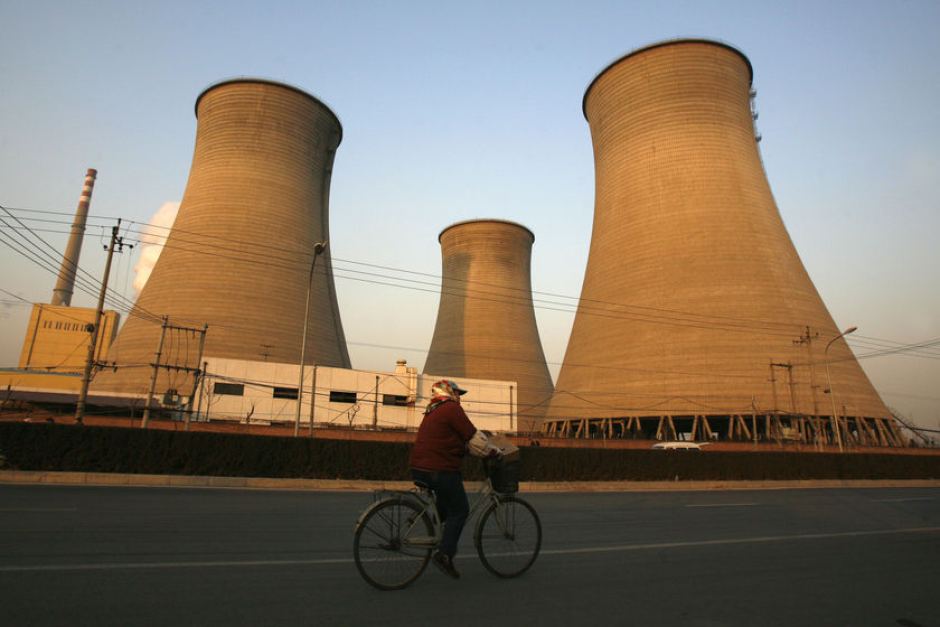
China coal

By the cheers, you’d think that the joint US-China announcement on climate change meant that it was mission accomplished. Job done. Sea level rise, ice melt, crop failure and natural disasters averted.

Of course, it’s nothing of the sort. It’s only the first step on a long, difficult road to fixing climate change. The significance is that they’ve taken that first step. After years of squabbling about who should go first, the USA and China have linked arms and tentatively made a start together.

A quick look at the World Energy Outlook, released this week by the International Energy Agency, illustrates just how rocky that road will be…

Read more http://www.abc.net.au/environment/articles/2014/11/14/4128016.htm


The baffling Gore and Palmer show

'Like cigarettes and lung cancer' - Al Gore links climate change and fires

AL GORE became the face of climate change back in 2006, when he released the documentary An Inconvenient Truth. He climbed aboard a cherry-picker to emphasise just how shocking the rise in global temperatures has been relative to the last few thousand years.

It was a ground-breaking film on a number of levels. The film was very, very effective at spreading the message about climate change. Coupled with Sir Nicholas Stern’s economic report on the threat of climate change, suddenly the whole world was talking about climate change.

In Australia one of the principal reasons for Kevin Rudd’s convincing election win in 2007 was his clear commitment to action on climate change. He ratified the Kyoto Protocol on greenhouse gas emissions as his first order of business.

The film spawned a thousand doubting bloggers and galvanised the climate sceptics movement…

Read more: http://www.abc.net.au/environment/articles/2014/06/25/4033168.htm

Cultures to change with climate change

autumn

IN THE USA today, many Americans will be celebrating the first day of spring. Down under, of course, we have autumn while they’re having spring, but our first day of autumn was back on March 1st. Why do we have different dates for our seasons?

Americans tend to count the start of spring from the equinox, the day of the year when daylight hours and dark hours are equal.

Meteorologists are a bit more arbitrary in their definition, and Australia has followed their tradition. Autumn starts of the 1st of March in order that longer term weather trends can be meaningfully compared.

In all reality, the delineation of the year into four seasons is just as arbitrary as starting them on the first of a certain month…

Read more: http://www.abc.net.au/environment/articles/2014/03/21/3968123.htm


Sunny with a chance of climate change

Image


THE WEATHER IN OUR nation’s capital today is predicted to be 28°C. Mostly sunny, with light winds.

I have no crystal ball, but I reckon it’s pretty likely that the Bureau of Meteorology is going to be about right. I suppose we’ll find out later today.

The Bureau’s website is one of the most accessed sites in Australia. Everyone wants to know whether or not to bring a brolly. The fact that it is accessed so often is testament to the fact that the BoM is usually pretty reliable. Sure, we all like to whinge about the weather — particularly when showers show up unexpectedly — but by and large, you’ve got to admit, they do a pretty good job.

At home, I check the weather before I get up on my phone using the WiFi internet connection I have in the lounge. It’s only very recently that WiFi was invented — 1996 — but Aussies are keen on technology and it’s really caught on.

WiFi was invented by that other great Australian institution, the CSIRO. It wasn’t the first local area network, but it worked the best of the technologies jostling for position back in the day.

Every two years, these two venerable scientific institutions team up to release a State of the Climate report.

Read more: http://www.abc.net.au/environment/articles/2014/03/04/3955932.htm

Explainer: why is World Heritage important?

Two of Australia’s World Heritage listed places have made the headlines in the last week. The Great Barrier Reef Marine Park Authority gave the go-ahead for silt from a government-approved dredging operation to be dumped within the World Heritage listed park boundaries. And the federal government announced that it was seeking to have a recent extension of Tasmania’s World Heritage listed forests partially overturned.

What is World Heritage listing and why is it important?

Back in 1972, various international bodies united to draw up the World Heritage Convention. It was designed to provide a way for international co-operation to occur to protect cultural or natural places of ‘outstanding universal value’ so that future generations may enjoy them as we do now. It is administered by the United Nations Educational, Scientific and Cultural Organisation (UNESCO).

Australia was an early adopter of the Convention, ratifying it in 1974 and signing up the nation’s first ‘property’, Kakadu, in 1981. Australia even has its own Act of parliament to protect World Heritage properties, which was established in the battle for the Franklin Dam back in 1983….


Read more: http://www.abc.net.au/environment/articles/2014/02/07/3939538.htm

How you pay for your neighbour’s air-conditioning

Image

Are you one of the lucky ones with air conditioning? As we swelter through this heatwave, those that can are switching on the AC and keeping cool. Those that can’t are lying semi-naked in front of fans with a wet cloth on their heads.

In the past 20 years, Australians have embraced air conditioning. In 1994, a quarter of households had it. These days more than half do.

While it’s bliss to sprawl in front of the cold air, there is a serious downside to chilling out. The Productivity Commission last year said that air conditioners are largely responsible for putting the electricity network under strain and that strain costs us dearly…

Read more: http://www.abc.net.au/environment/articles/2014/01/16/3926300.htm

Australia dashes G20 climate hopes

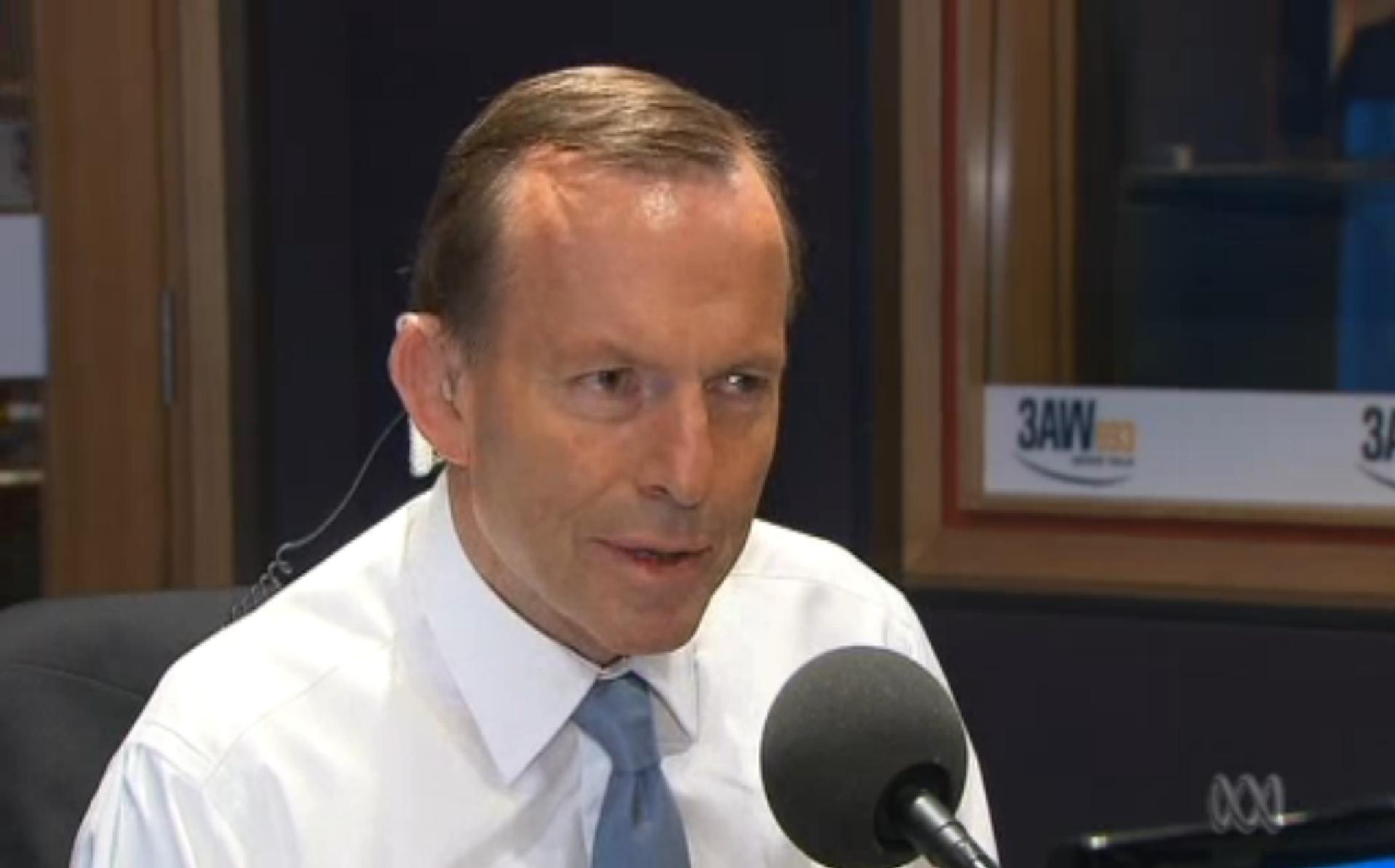
DON’T BE FOOLED by their fancy words, there is no indication the current government takes climate change seriously.

Prime Minister Tony Abbott’s most recent statement on climate change was at a press conference on November 12: “we accept that climate change happens, that mankind, humanity, make a contribution to it and it’s important that we take strong and effective action against it.”

But let’s have a look at the government’s “strong and effective action”…

Read more http://www.abc.net.au/environment/articles/2013/11/21/3895364.htm

Image